OUR STORY
GRS Certified Eco-Friendly Productuppliers in China. Discover a wide rangeof sustainable,biodegradable andrecycled products
Free Markets is committed to integrating upstream and downstream industrial resources, adhering to the development philosophy of environmental protection, low carbon and circular economy, while developing innovative new materials to explore eco-friendly solutions that minimize environmental footprint.
We embed low-carbon and sustainable concepts into the initial product design phase. On the premise of guaranteeing product functionality, comfort and aesthetic quality, we prioritize eco-friendly low-carbon raw materials to replace conventional alternatives. From R&D and manufacturing to finished-product launch, we embed sustainability across the full industrial chain: we raise the proportion of recycled feedstock, cut carbon emissions throughout production processes and slash redundant packaging, delivering low-carbon practices spanning research, production and distribution.
Looking ahead, Free Markets aims to leverage our professional services to partner with more enterprises and brands for environmental initiatives, contributing to a healthier planet. We strive to emerge as a globally recognized thought leader in practical, viable sustainable development, promoting the widespread adoption of eco-conscious solutions worldwide.
Low-carbon lays foundation, sustainability marches toward new horizons
Pursue low-carbon pathways, co-create a sustainable future
Advance with low carbon, head for a sustainable green tomorrow
About eco MORE
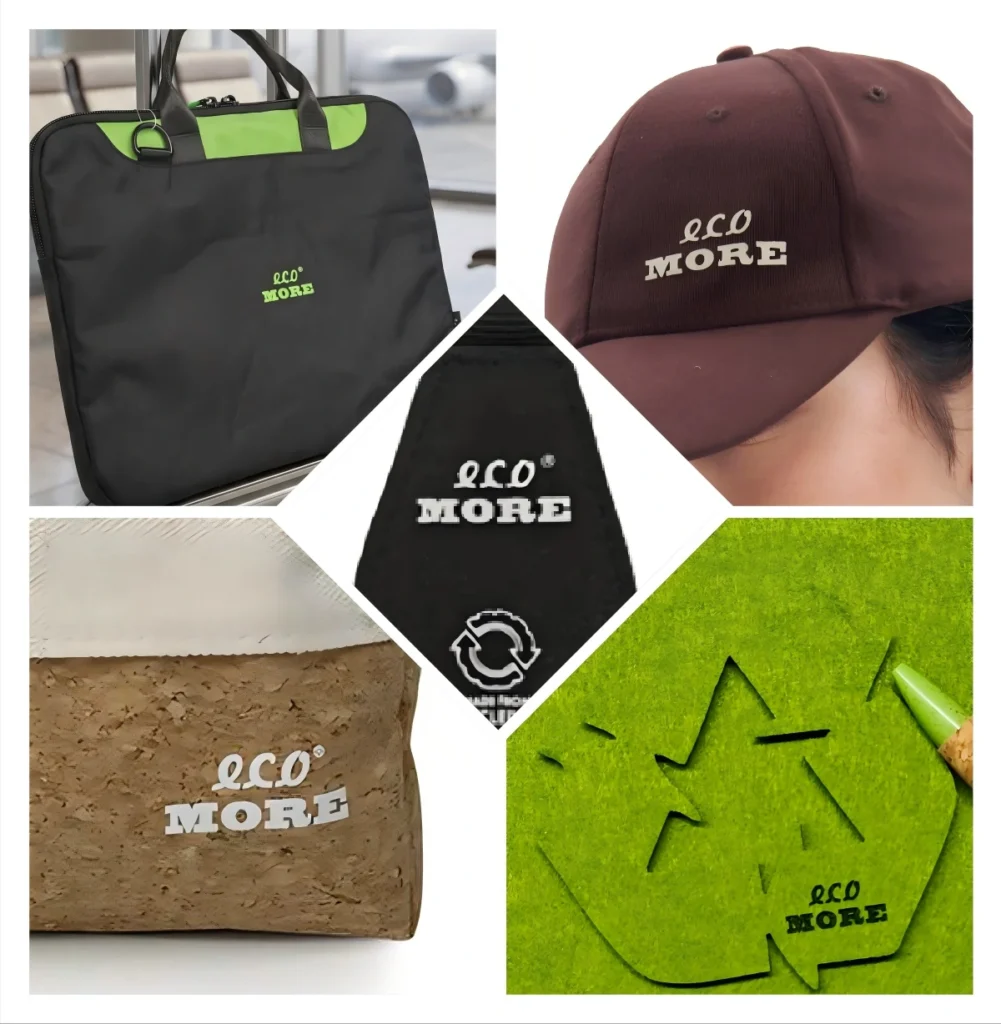
eco MORE is a proprietary sustainable brand under Free Markets, dedicated to the field of waste recycling and circular regeneration. The brand specializes in a diverse range of sustainable and eco-friendly materials, including rPET (recycled polyethylene terephthalate), natural bamboo fiber, coffee grounds fiber, recycled cork, recycled rubber, recycled paper, recycled leather, organic cotton, and PLA biodegradable plastics. Integrating design, R&D, manufacturing, and sales, eco MORE’s product portfolio spans home living, apparel & bags, corporate gifts, and more, while fully supporting comprehensive bespoke customization services. Currently, eco MORE’s sales network spans multiple countries and regions, including the United States, Japan, Malaysia, and Singapore. We are committed to providing global clients with green, innovative, and one-stop low-carbon product solutions.
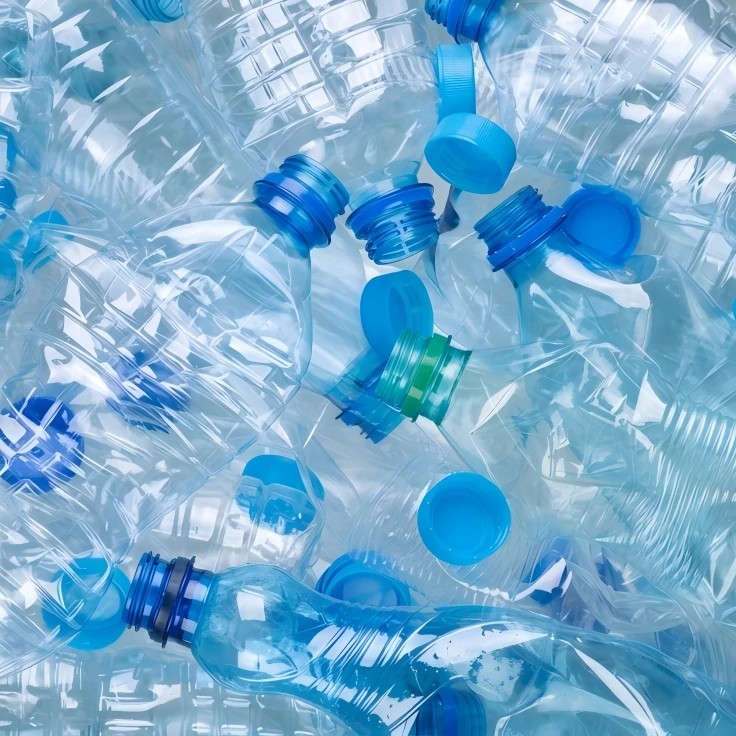
From Waste to Low-Carbon Textile: The Circular Aesthetics of rPET
Every discarded plastic bottle is simply a resource in the wrong place. rPET (Recycled PET Fabric) transforms post-consumer PET bottles into high-performance, eco-friendly green textiles through a series of internationally standardized, closed-loop processes—including collection, sorting, washing, high-temperature flaking, and melt spinning. As an ideal alternative to traditional petroleum-based polyester, rPET fabric not only achieves resource circularity but also significantly reduces carbon emissions and energy consumption. While preserving the exceptional durability, wrinkle resistance, and robust strength inherent to polyester fibers, it infuses products with a genuine low-carbon soul. Today, it is widely utilized across high-performance bags, trend-forward apparel, and a diverse range of eco-living goods.
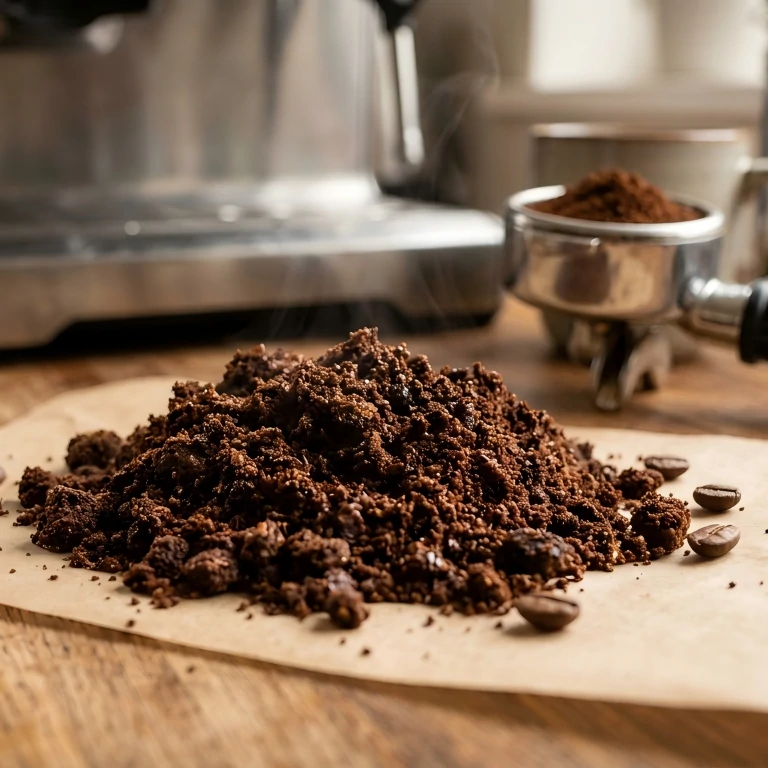
Awakening the Second Life: eco MORE Coffee Grounds Recycling Technology
As one of the world’s most consumed beverages, every ton of coffee beans generated leaves behind 650 kg of spent coffee grounds (SCG). eco MORE intercepts this massive post-consumer waste stream, transforming it into high-value sustainable resources. Through a patented low-carbon calcination process, we extract functional “coffee charcoal” nano-crystals and infuse them with recycled polyester or natural fibers to weave a revolutionary bio-based eco-textile.
The natural porous structure inherent to coffee particles endows this textile with engineering marvels: exceptional odor control, instant moisture-wicking properties, and natural antibacterial protection, making it a premium choice for eco-conscious apparel. Furthermore, through innovative composite modification, eco MORE extends this material’s circular footprint into low-carbon tableware, creative corporate gifts, and eco-living accessories—seamlessly completing the green journey of every cup.
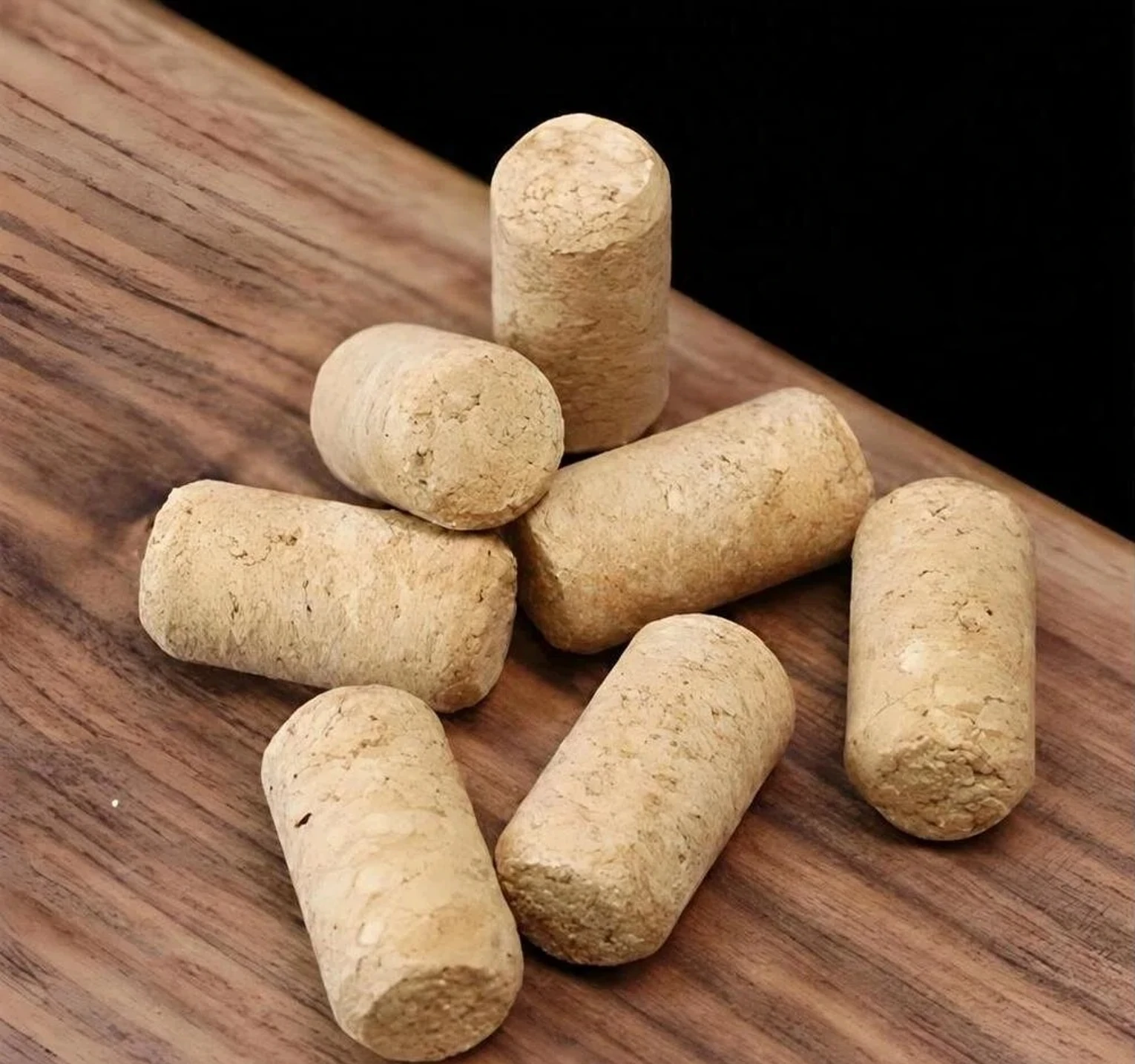
Whispering Timeless Sustainability: eco MORE Recycled Cork Technology
Natural cork, meticulously harvested from the bark of the cork oak tree without harming the tree itself, stands as an exceptionally sustainable resource. However, hundreds of millions of premium wine corks discarded globally each year often end up in landfills or incinerators, turning nature’s gift into an environmental burden. eco MORE intercepts this specific post-consumer stream through our dedicated cork reclamation initiative. Utilizing ecological sorting, deep purification, and non-toxic micro-granulation tech, we breathe new life into these discarded wine corks.
This upcycled material beautifully retains all the engineering marvels of natural cork: its lightweight cellular structure, exceptional thermal insulation, moisture resistance, and a warm, tactile texture. Furthermore, its uniquely recomposited granular aesthetics offer a bespoke visual identity for every product. Today, eco MORE seamlessly integrates recycled cork into our premium corporate stationery, sustainable bag accents, and low-carbon home living goods—presenting global B2B clients with a compelling narrative of circular luxury.

A Green Alternative Formed by Earth: eco MORE PLA Biodegradable Technology
Breaking free from fossil fuel dependency represents the frontline of global industrial sustainability. The PLA (Polylactic Acid) championed by eco MORE is a revolutionary, 100% bio-based eco-material. Derived from starches extracted from annually renewable agricultural resources—including corn, wheat, and bamboo—it eliminates the heavy non-renewable carbon footprint historically tethered to traditional plastics right from the source.
As an ideal low-carbon surrogate for conventional polymers, PLA boasts exceptional clarity, structural rigidity, and superb thermoforming performance. At the end of its life cycle, it is designed to be fully degraded into carbon dioxide and water under industrial composting conditions, completing a flawless zero-waste ecological loop. Today, eco MORE seamlessly deploys this pioneering material across our sustainable rigid tableware, low-carbon corporate gift accents, creative lifestyle goods, and green packaging systems—redefining everyday essentials through the power of plant-based innovation.
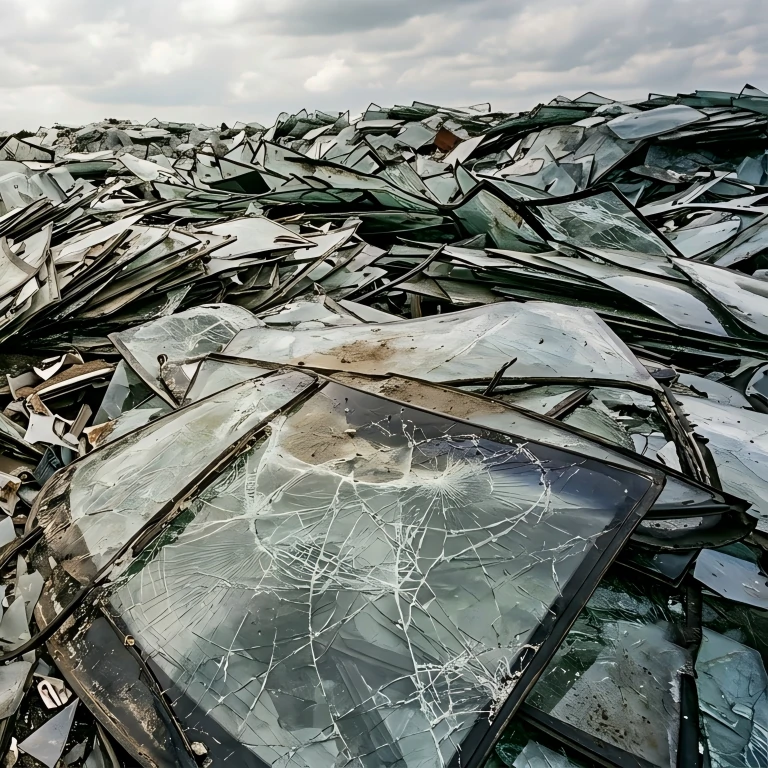
Cross-Industry Rebirth: eco MORE Recycled Automotive Glass Fiber Fabric
Discarded automotive windshields have traditionally posed a severe recycling challenge due to their complex, multi-layered laminated structure. In collaboration with cutting-edge supply chains, eco MORE utilizes innovative physical separation and purification technologies to flawlessly reclaim the glass layer from end-of-life automotive windshields. This reclaimed glass is then processed through high-temperature melting, precision drawing, and winding into high-strength, flexible recycled fiberglass yarns.
To overcome the tactile limitations of traditional fiberglass for consumer goods, we innovatively composite and blend this automotive-derived recycled fiber with natural organic fibers (such as organic cotton and linen). This pioneering technique fully preserves the skin-friendly softness and breathability of natural textiles, while infusing them with the rugged performance engineered into automotive DNA—including exceptional tear resistance, ultra-durability, and inherent flame retardancy.
This breakthrough not only achieves a remarkable cross-industry upcycling milestone—turning automotive industrial waste into premium consumer goods—but also provides global B2B clients with a highly compelling tech narrative and an ESG-compliant, low-carbon textile solution. Today, it is widely applied in high-end bags, functional apparel, and innovative eco-living goods.
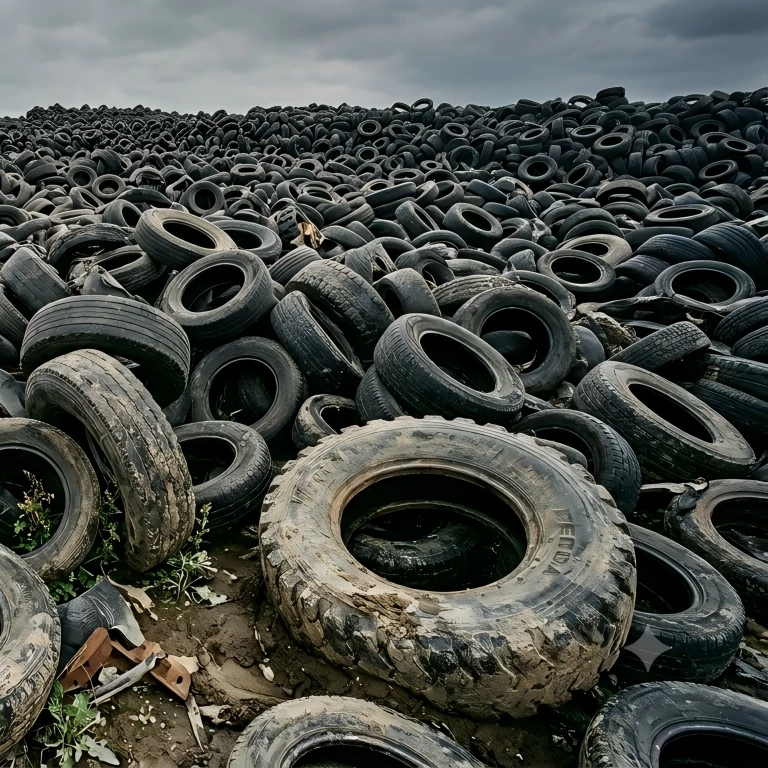
Reshaping Black Pollution: The Sustainable Craft of eco MORE Recycled Rubber
Every year, hundreds of millions of scrap automotive tires are discarded worldwide, historically labeled as “black pollution” due to their non-biodegradable nature. In collaboration with cutting-edge green supply chains, eco MORE utilizes innovative ambient mechanical grinding and eco-refining devulcanization technologies to cleanly process these rugged tires, transforming them into high-purity, non-toxic, and odorless low-carbon recycled rubber.
The heavy-industrial DNA of automotive tires endows this material with inherent high performance, including exceptional wear resistance, superior anti-slip grip, and excellent shock-absorbing elasticity. Through advanced R&D and modification, we successfully retain these core engineering properties while ensuring full compliance with stringent international environmental and safety standards. Today, eco MORE widely applies this recycled rubber across our product lines—including anti-slip shoe outsoles, wear-resistant bag bases, trend-forward fashion accessories, and premium lifestyle mats—breathing stylish new life and circular value into discarded tires.
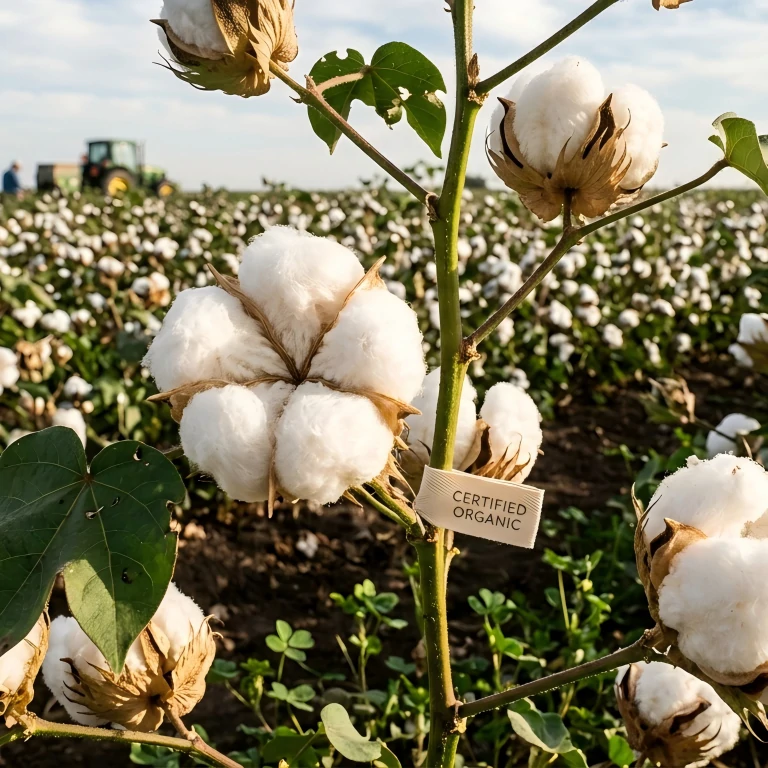
The Purest Gift of Nature: The eco MORE Organic Cotton Collection
True sustainability begins with the natural rhythm of every seed. The organic cotton selected by eco MORE is cultivated and processed with a strict prohibition on synthetic pesticides, chemical fertilizers, and genetic modification (non-GMO). From the nurturing of eco-certified soil to the final meticulous harvest, we strictly adhere to international organic agricultural standards, ensuring fibers that are impeccably pure and free from chemical residues.
This uncompromising commitment to the source not only maximizes the protection of farmland soil ecosystems and precious water resources but also preserves the inherently pure breathability and exquisite, skin-friendly softness of the cotton fibers. Naturally hypoallergenic and perfectly balancing ultimate comfort with ecological safety, it is widely utilized across eco MORE’s premium knitwear, comfort home textiles, and eco-friendly bag linings—delivering the warmth of sustainable living through the world’s purest plant fibers.
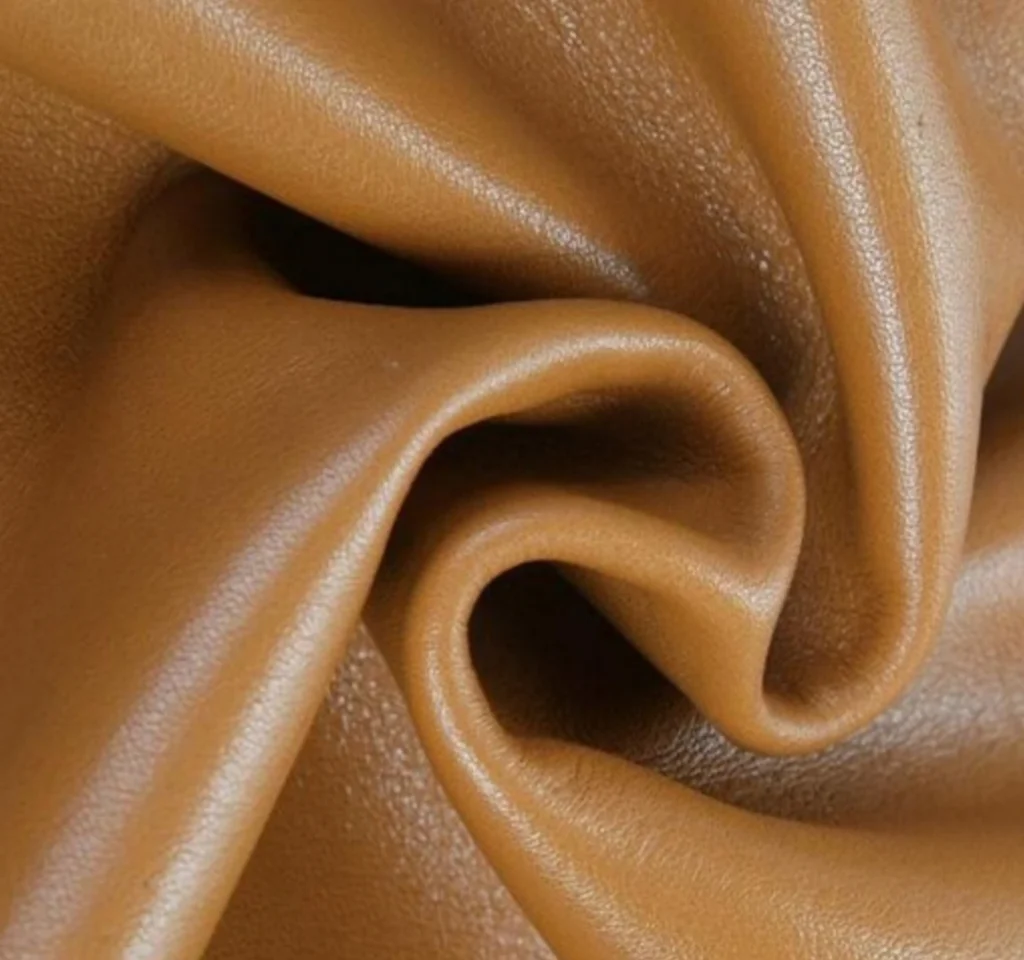
Redefining the Boundaries of Luxury: The Craft of eco MORE Recycled Leather
Within the traditional tanning industry, immense quantities of premium leather scraps and post-consumer goods are routinely discarded. In partnership with global elite supply chains, eco MORE intercepts this waste stream, ecologically pulverizing pre- and post-consumer leather remnants into natural fibers. These fibers are then responsibly recomposited with natural rubber and plant-based resins to engineer a premium, eco-friendly recycled leather that retains the soul of the original material.
Thanks to advanced fiber-regeneration technology, eco MORE’s recycled leather transcends the limitations of conventional hides. It impeccably inherits the exquisite tactile softness, rich coloration, and natural elasticity of genuine leather, while delivering superior industrial processing standards: perfectly uniform edges, zero natural flaws, and exceptionally high cutting yield. Its outstanding tensile strength, moisture resistance, and long-lasting durability make it the ideal low-carbon material choice for high-end bags, creative corporate stationery, and premium footwear accessories—infusing timeless luxury with the promise of a circular future.
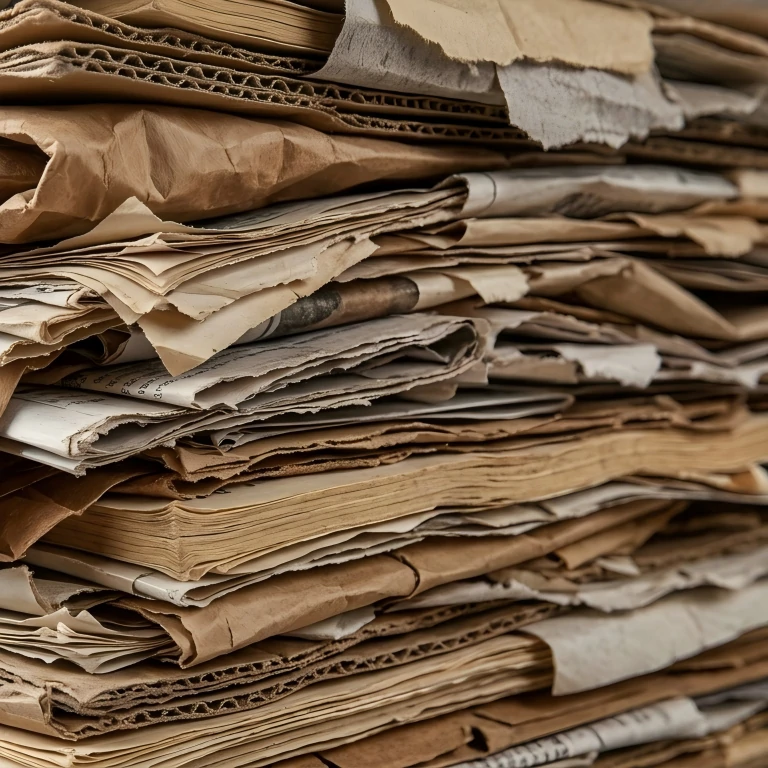
Breathing New Life into Fibers: The Sustainable Craft of Recycled Paper
Recycled paper serves as an essential green medium within the circular economy. Harnessing post-consumer and industrial paper waste as our core raw material—featuring a recycled fiber content of over 80%—we guide the fibers through more than a dozen strictly standardized eco-friendly stages, including rigorous sorting, deep purification, ecological pulping, and refined papermaking.
As an ideal carrier for modern low-carbon stationery and premium sustainable packaging, our recycled paper significantly reduces deforestation, water consumption, and carbon footprints. It successfully shatters the stereotype that eco-friendly paper compromises on quality; instead, it perfectly balances a naturally tactile, premium texture with exceptional printability and physical durability. Today, it is widely utilized in brand packaging and creative corporate gifts, infusing every practical application with the warmth of green civilization.